
Are you excited about your upcoming trip to Africa but worried you might not be able to speak like a local? Don’t let communication challenges make you feel bad.
With over 25% of the world’s languages being spoken in Africa, it can be a bit overwhelming. But if you get ready and stay positive, you can handle these problems easily.
In this blog article, I will talk about 7 Smart Ways to Speak Like a Local when traveling to Africa. Get ready to connect with locals, avoid misunderstandings, and make your African adventure truly unforgettable.
Table Of Content
1. Learn Basic Greetings and Phrases
Talking to people living where you’re visiting can improve your trip. Using their language, even a little bit, really helps. Try these easy ideas:
Before you go to a new country, learn how to say hello and a few other simple things. This helps you talk to people and shows you care about their way of life.

In Ghana, English is the official language, but many locals also speak Twi, a language of the Akan people. Here are a few Twi phrases to get you started.
- “Akwaaba” (Welcome)
- “Maakye” (Good morning)
- “Medaase” (Thank you)
- “Mepa wo kyɛw” (Please)
- “Kosɛ” (Sorry)
- “Aane” (Yes)
- “Dabi” (No)
2. Use Local Names and Titles
Using names and titles that local people use when talking to others is a great way to show respect and make friends. It can also help you fit in and sound more like someone who lives there.
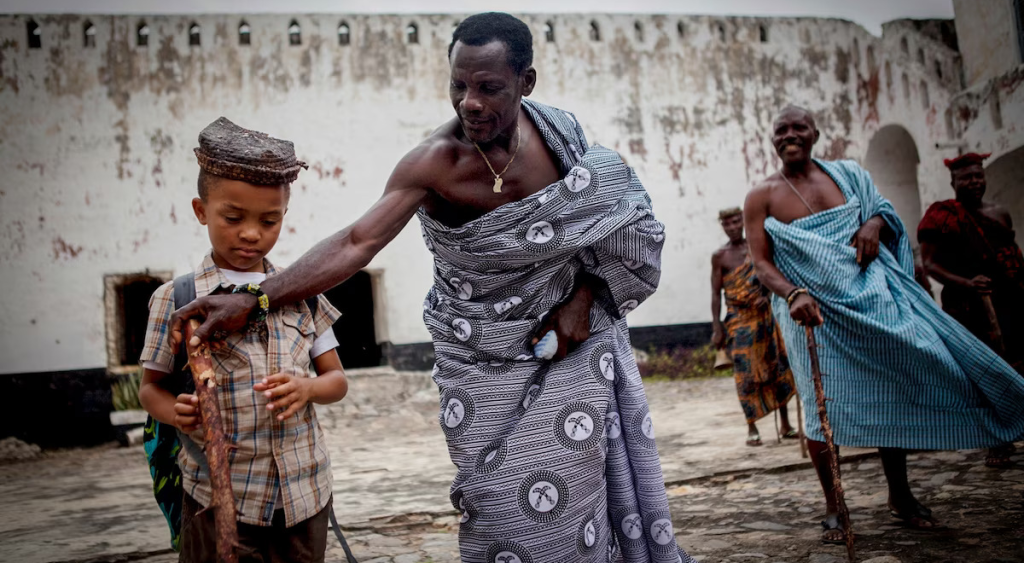
Here are some tips:
- Learn Common Titles: In many African cultures, there are specific titles for elders, respected community members, and professionals. For example, in Ghana, older men and women are often addressed as “Nana” as a sign of respect.
- Use Names Correctly: In some cultures, people’s names have specific meanings and are often used in certain contexts. Make sure you understand how to use people’s names correctly. For example, in many African cultures, it’s common to address people by their first name rather than their surname.
- Ask How to Address People: If you’re unsure how to address someone, it’s always a good idea to ask. People will appreciate your effort to respect their culture.
- Practice Pronunciation: Names can sometimes be difficult to pronounce. Don’t be afraid to ask someone to repeat their name, and try your best to pronounce it correctly.
3. Seek Opportunities for Immersion
One of the best ways to learn a language and talk like someone who lives there is to put yourself in places where everyone uses that language.
This means being around people speaking the language in everyday life. It helps you get better at listening, talking, and understanding much faster.

Here are some ways to immerse yourself in the local language:
- Live with Locals: If possible, consider staying with a local family or in a community where the local language is spoken. This will give you plenty of opportunities to practice the language in everyday situations.
- Join Local Clubs or Groups: Participating in local activities or joining clubs can provide a fun and relaxed environment to practice the language. It could be a dance class, a cooking club, or a sports team, you’ll get to learn new words and phrases related to your activity.
- Attend Local Events: Festivals, markets, and community events are great places to immerse yourself in the local language and culture. You’ll get to hear the language in its natural context and pick up colloquial expressions.
- Eat at Local Restaurants: Ordering food, asking about ingredients, and chatting with the staff at local restaurants can be a great way to practice the language.
4. Practice Pronunciation and Intonation
How you say words and how your voice goes up and down are very important when you’re learning to speak a new language. You need to practice both.
Pronunciation is about how you say each word. If someone says you have “good pronunciation,” it means you’re saying the words right for that area’s way of talking.
Intonation is about how your voice changes as you speak. It’s part of how a language sounds and can change what you mean.

Here are some tips to practice pronunciation and intonation:
- Listen and Repeat: Listen to native speakers, either in person or through audio resources, and try to mimic their pronunciation and intonation. This can help you understand the rhythm and flow of the language.
- Use Language Learning Apps: Many language learning apps have features that allow you to listen to a native speaker and then record yourself repeating the phrase. The app will then give you feedback on your pronunciation.
- Tongue Twisters: These are a fun and challenging way to practice pronunciation. They can help you improve your speaking skills, as well as your ability to quickly pronounce and properly enunciate words in the language.
- Sing Along to Songs: Music is a great way to improve your pronunciation and intonation. Try to sing along to songs in the language you’re learning. This can help you get a feel for the rhythm and melody of the language.
5. Expand Your Vocabulary
Learning more words is important if you want to talk like someone who lives there. When you know more words, it’s easier to say what you mean and understand what other people are saying.

Here are some strategies to expand your vocabulary:
- Read Local Content: Reading newspapers, books, or even social media posts in the local language can expose you to new words and phrases. As you come across unfamiliar words, look them up and try to use them in your conversations.
- Practice Daily: Make it a habit to learn a few new words every day. You could keep a vocabulary journal and review it regularly.
- Engage in Conversations: The more you use the language, the more words you’ll be exposed to. Don’t be afraid to engage in conversations with locals. They can introduce you to colloquial words and phrases that you might not find in textbooks or apps.
6. Actively Listen and Observe
To talk like someone who lives in the place you’re visiting, you need to listen well and watch carefully. Pay attention to how people talk – This will help you talk more like them and connect better.
In some parts of Africa, people often use wise sayings or talk in a roundabout way to show respect. In other places, people like to tell stories to share information.

If you listen and watch closely, you can learn these special ways of talking and use them too. Also, watch how people use their bodies when they talk.
Things like hand movements, facial expressions, and how people stand or sit are important too.
7. Embrace Cultural Awareness
It’s really important to know and follow local habits and rules when you’re trying to talk like someone who lives there. This isn’t just about words – it’s also about how you act with people and use your body.
For example, in many parts of Africa, saying hello isn’t quick. It’s a time to connect and show you care. People often ask how you’re doing, how your family is, and about your day.
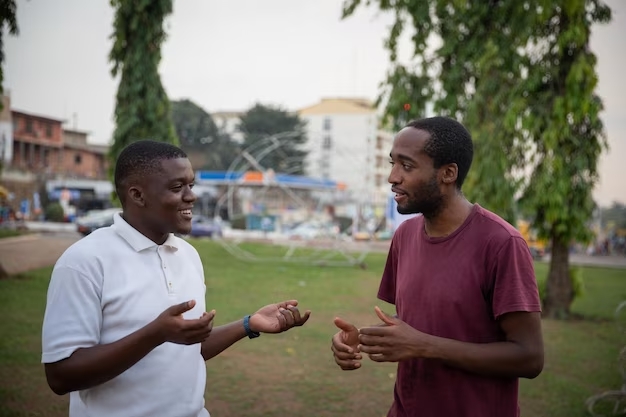
So take your time when you greet someone. Don’t rush. Show you’re interested.
Also, be careful about things that might upset people.
Learn about these things before you go. Pay attention to how people act and try to do the same.
Plan Your Visit Today
Keep in mind, that every new word and saying you learn helps you speak more like someone who lives there. It takes time, and it’s okay to get things wrong sometimes.
When you make mistakes, you often learn the most. So, if you’re getting ready for your first trip to Africa, or want to get better at speaking for your next visit, enjoy learning these smart ways to speak like a local.
Join the Gold Coast XP Travel Club
The GCXP Travel Club is a cool group for people who love going on adventures in Africa. But it’s not just about having a great time on vacation – we also want to do good stuff while we’re there.
Here’s what makes our Travel Club awesome:
- We plan trips to beautiful spots in Africa that most tour groups don’t visit.
- Our club members get to see how people in Africa live and see amazing animals up close.
- Our trips include chances to volunteer, so you can help out local communities while you’re exploring.
- Our club members are all different, but we all love adventure and want to make the world a better place.
- Club members get special discounts on trips and get to meet other travelers who care about responsibly exploring Africa.
